If you live in North York apartments, the most effective approach to pest control North York in 2026 is not a single product or one-time spray. It is a comprehensive, professional plan built around integrated pest management, targeted inspection, careful exclusion, and ongoing sanitation. That matters even more in Toronto’s high-density apartment and condo housing landscape, where multi-unit buildings and shared walls make pest spread easier.
In neighbourhoods like Yonge-Sheppard, Finch, Willowdale, and Bayview Village, residents often face the similar challenge: once pests invade one unit, they can move through plumbing chases, wall voids, utility lines, and hallways into other condo units. The best 2026 strategy is fast, synchronized, and customized to the pest type, building layout, and season. In Toronto winters, winter pest activity often drives mice and indoor cockroaches deeper inside for warmth, making prevention and rapid treatment especially important.
What insects are most frequent in North York apartments?
The most frequent apartment insects in North York are cockroaches, bed bugs, mice, and ants, with silverfish also turning up in damp bathrooms, laundry rooms, and storage areas. In a rental building or condo tower, these bugs are not just an inconvenience; they can become a building-wide infestation if early signs are ignored.
Cockroaches are a major issue in kitchens, utility closets, and behind appliances. They thrive where food crumbs, grease, moisture, and clutter give them shelter. German cockroaches are especially difficult because they reproduce quickly and hide in tight cracks. In North York apartments, they often move between units through shared walls and plumbing lines.
Bed bugs are another major issue because they spread through luggage, furniture, clothing, and adjacent suites. They are not linked to cleanliness, which is why even well-kept condo units can be affected. In dense areas near transit and busy apartment corridors, bed bug complaints often rise because the insects are so good at hitchhiking.
Mice are common in basements, garbage rooms, utility shafts, and ground-floor suites. During Toronto winters, they look for warmth and food, making fast monitoring important once droppings or gnaw marks appear. They can also enter through tiny entry points around pipes, vents, and gaps under doors.
Ants often pop up in spring and summer, especially around windows, balconies, and kitchen sinks. While some ant problems are minor, recurring trails can indicate a hidden nesting area or moisture issue that needs professional attention.
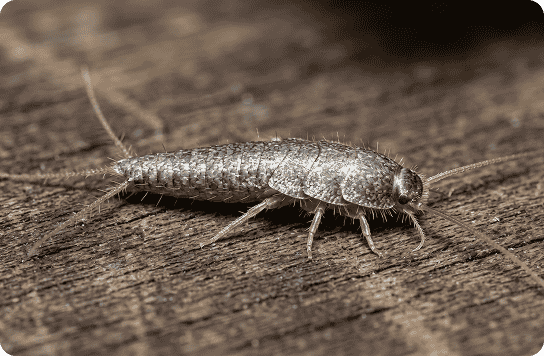
Silverfish are less dramatic but still common in humid apartments, especially where paper, cardboard, or stored fabrics are present. They are usually a sign that moisture control and housekeeping need improvement.
What is the most efficient pest control approach for apartment buildings?
The top effective approach for apartment buildings is IPM, often called IPM. This is the gold standard because it focuses on long-term protection and eradication instead of relying only on chemicals. For North York rental housing, IPM is especially useful because pests can return if only one suite is treated.
IPM starts with a thorough assessment. A licensed pest professional or certified technician looks for signs of pest travel, hiding spots, moisture, food sources, and structural gaps. In apartment settings, the inspection should cover not only the affected unit but also adjacent suites, common areas, garbage rooms, basements, and utility spaces. That building-wide perspective is one reason local experts often succeed where one-off treatments fail.
Next comes blocking access, which means sealing the access points pests use to get inside. This can include caulking cracks, sealing pipe penetrations, repairing door sweeps, screening vents, and closing gaps around baseboards or cabinets. Exclusion is one of the key long-term tools for mice and cockroaches, and it helps prevent repeat infestations.
cleanliness is the third pillar. Even the best treatment can struggle if food, grease, clutter, and moisture remain. In apartment buildings, sanitation means resident cooperation, hallway cleanliness, trash handling, and timely maintenance from management teams. A clean environment reduces food and shelter opportunities, which weakens pest survival and reproduction.
For most shared housing buildings, the best results come from combining IPM with building-wide communication, targeted treatment, and repeat visits when needed. That is far more effective than using store-bought sprays or waiting until pests spread to several units.
How do expert pest control services work in condos and rentals?
Expert pest control in condos and rentals usually begins with an inspection, then a treatment plan based on the pest and the building. In North York, where many residents live in stacked suites and shared corridors, a smart approach often uses a combination of tools rather than one method alone.
Bait devices are commonly used for mice and some crawling insects. They are placed in secure, well-placed locations where pests travel, such as behind appliances, along walls, or in utility areas. For rodents, bait stations can be part of a broader mice management program, especially when combined with entry-point sealing and sanitation.
Gel bait is especially effective for cockroaches. A professional applies careful placements in cracks, crevices, and hidden harbourage areas. Roaches feed on the bait and carry the active ingredient back to the nest area, which can increase colony reduction. In dense apartment buildings, gel bait is often more suitable than broad spraying because it is targeted and less disruptive.
Residual insecticide may be used when needed to create a more durable barrier in cracks, voids, or travel routes. It can help with certain insect problems, but it should be used with care and only where appropriate. In a rental setting, responsible application matters because overuse or poor placement can lower results and increase unnecessary exposure.

Steam application is often used for bed bugs because high heat can kill bugs and eggs on contact when applied properly. It is a powerful non-residual option for mattresses, box springs, upholstered furniture, and tight areas where chemical penetration is limited. Many bed bug programs combine steam with other methods for better elimination.
A quality program also includes a return visit. This is essential because pests like bed bugs and cockroaches can survive initial treatment if eggs hatch later or if nearby units continue to seed the problem. Follow-up treatment allows the technician to monitor progress, modify the plan, and confirm that the infestation is getting smaller.
For condo units, site planning matters. If one suite is treated but the unit above or beside it is not inspected, the problem can persist through shared construction pathways. That is why condo boards and property management teams often need to work together with the pest provider.
What should North York tenants and landlords do first?
The first step is to report the problem quickly and document what you are seeing. In Ontario, pest issues are not something to ignore until they get worse. Tenant responsibility usually includes keeping the unit reasonably clean, securing food properly, reporting problems promptly, and working with inspections and treatments. Landlord responsibility generally includes providing a livable, pest-free unit and dealing with building-related infestation causes.
The Ontario Residential Tenancies Act shapes much of this responsibility framework. While each case depends on the facts, landlords typically must address pest complaints and schedule required repairs or pest control when the problem affects habitability. Tenants, meanwhile, must permit entry for inspection and treatment and follow preparation instructions where required.
In practice, the fastest results happen when property management, tenants, and the pest provider coordinate early. In a North York rental building, that may mean notifying neighbours in adjacent suites, inspecting shared areas, and planning treatment to limit spreading. For example, if cockroaches are found in a stack of kitchens, treating only one apartment is rarely enough.
If you are a tenant, take photos of droppings, live insects, damage, or other signs. If you are a landlord or manager, maintain written records of complaints, inspection dates, notices, and the treatment plan. Good documentation helps create accountability and supports a more efficient response.
Which pest control methods are most safe for homes and animals?
For households that need the least hazardous approach, look for low-toxicity treatments combined with nonchemical control methods. In many North York apartments, the most cautious and best-performing plan mixes targeted application with proactive measures, exclusion, and ongoing observation instead of wide-area spraying.
Steam treatment is one of the most family-friendly options for bed bugs because it can be used on affected surfaces without leaving a strong chemical film. It is especially useful in bedrooms and living rooms where children and pets spend time. Still, it should be performed with care to protect fabrics and prevent burns.
Non-chemical control includes vacuum cleaning, closing off, removing clutter, cleaning fabrics, reducing moisture, and physically preventing pest access. These measures are often the core of a careful long-term strategy. For mice, non-chemical control also includes sealing holes and installing door sweeps. For cockroaches, it means reducing crumbs, grease, and water access.
When chemicals are needed, a licensed exterminator can choose targeted placements that limit exposure. Professional products such as gel bait and properly applied residual insecticide are generally used in concealed areas rather than on open surfaces. This supports safety for pets and improved overall control.
Families with infants, seniors, or sensitive pets should always ask how the treatment will be applied, how long to stay out of treated areas, and what cleanup steps are required. In a condo unit or rental building, safety also depends on coordination so that common hallways and nearby suites are handled properly.
How can residents stop pests in North York apartments throughout the year?
Continuous prevention is the best way to cut down on recurring pest issues in North York apartments. Because the city has a long winter season and dense housing patterns, small habits make a big difference.
Food storage is vital. Store dry goods in sealed containers, wipe counters regularly, and do not leave pet food out overnight. Cockroaches, ants, and mice are all drawn to easily accessible food. Even small spills can support an infestation over time.
Clutter reduction helps remove hiding places. Cardboard boxes, paper piles, and unused items create ideal harbourage for bed bugs, silverfish, and cockroaches. In compact apartment living, decluttering also makes inspection and treatment more effective because technicians can reach hidden areas.
Sealing entry points is especially important in older buildings and ground-floor units. Check under sinks, around pipes, along baseboards, behind appliances, and near windows and balcony doors. Tiny openings are enough for mice and insects to enter, especially during Toronto winters when pests seek indoor warmth.
Garbage disposal routines matter too. Use lined bins, empty trash often, and keep garbage chutes and collection areas clean. In multi-unit buildings, dirty garbage rooms can quickly attract pests and spread them through adjacent spaces.
Other useful habits include fixing leaks quickly, reducing humidity, washing bedding regularly, vacuuming corners, and inspecting second-hand furniture before bringing it inside. Prevention is not a one-time task; it is a long-term routine that protects the entire building.
When should you call a pest control company in North York?
You should contact a pest control company as soon as you notice infestation signs, rather than waiting for the problem to grow. A faster response, the more rapid the elimination and the lower the chance that the pest will move to neighbouring suites.
Major warning signs include persistent odor, especially musty, fatty, or sharp smells that may suggest cockroaches or rodents. Another major sign is droppings, which can appear in cupboards, along baseboards, inside drawers, or near garbage areas. Just a few droppings are worth taking seriously.
Repeat sightings are a clear sign that the issue is not isolated. If you keep seeing roaches in the kitchen, ants in the bathroom, or mice in the same area again and again, it usually means there is a nesting site, travel route, or building access point that needs professional attention.
Bed bugs should be addressed without delay after bites, blood spots on sheets, or live bugs are found. The longer a bed bug issue goes untreated, the more it extends to furniture, walls, and adjacent condo units. For mice, a single sighting can still indicate a larger hidden issue, especially in basements, utility rooms, and wall voids.
In a busy North York apartment environment, a fast response often prevents a small issue from becoming a building-wide problem. Local experts familiar with rental buildings and condo towers can also move more efficiently because they understand the layout and communication needs of the area.
What questions should you ask before booking pest control?
Before booking service, ask whether the https://mississauga-onor813.hexaforgey.com/posts/what-to-do-before-a-pest-control-visit-in-north-york-2 company sends a licensed technician or licensed exterminator. Credentials matter because apartment pest problems often need more than a quick spray; they require diagnosis, targeted treatment, and follow-through.
Ask if they provide a clear inspection report. A good report should identify the pest, list the affected areas, note likely entry points, and explain what was found in the unit and the building. This is especially useful for landlords, tenants, and property management teams who need to coordinate next steps.
Ask for a documented treatment plan. This should outline what materials or methods will be used, whether bait stations, gel bait, residual insecticide, or steam therapies are recommended, and what prep work is needed before service. The plan should also include whether a follow-up is required and when.
Inquire about a service guarantee. Nobody can promise immediate results for every pest, but a reputable service should clarify what happens if the issue continues after treatment. In apartment settings, guarantees are most helpful when they include follow-up visit timing and a clear reinspection process.
Finally, ask how they handle multi-unit coordination, pet safety, and resident communication. The top pest control service in North York will understand that apartment pest management is a shared responsibility and that success depends on building-wide cooperation.
FAQ: pest control for North York apartments
What is the best pest control for North York apartments?
The most effective pest control for North York apartments in 2026 is integrated pest management combined with inspection, exclusion, sanitation, and targeted professional treatment. For apartments and condo units, that approach works more effectively than a single spray because it addresses the pest source, the building layout, and the risk of spread through multi-unit buildings.
How much does pest control cost in North York?
The cost depends on the pest, the size of the apartment, whether the issue affects multiple units, and whether follow-up visits are needed. Bed bug elimination is usually costlier than basic ant or mouse treatment because it often requires more labour, monitoring, and repeat service. A licensed exterminator should provide an inspection report and treatment plan before pricing the work.
How long does it take to get rid of bed bugs in an apartment?
Bed bug elimination can take weeks and usually requires more than one visit. Steam treatment, targeted applications, and follow-up visits are often part of the process. In North York apartments, the timeline can be longer if bed bugs have spread into neighbouring units or if preparation is incomplete.
Do landlords have to pay for pest control in Ontario?
In many cases, yes, because the landlord's obligation under the Ontario Residential Tenancies Act includes maintaining rental units fit to live in and handling pest issues tied to the building or unit conditions. The tenant's responsibility may still apply if the problem was caused by lack of cleaning or not cooperating with treatment. The exact responsibility can depend on the facts, so property management should record the situation carefully.
Are pest control treatments safe for pets and children?
Yes, when the work is done by a licensed technician using proper low-toxicity treatments, non-chemical control, and careful placement of products. Steam treatment and targeted gel bait are often preferred in family-friendly apartments because they minimize exposure. Always observe the technician’s instructions for re-entry, cleanup, and pet safety after service.